


Sewage Cleanup in Midlothian, Texas
When sewage backs up into a bathroom, laundry room, crawl space, basement, or business, contaminated water spreads beyond the first visible area. Our team removes wastewater, cleans affected surfaces, and documents damage so you have a clear path toward repairs.
Keep children and pets away from the affected area. Do not touch standing sewage or track it through the building. If it is safe, stop the source without entering contaminated water, then call our team for a safety assessment. We help homeowners, landlords, property managers, and commercial property owners manage the cleanup.
We first look for the cause, such as a sewer backup, drain blockage, failed plumbing, damaged lateral, sump problem, or heavy rain. Source control comes before cleanup. Our technicians use personal protective equipment and set safe work limits around contaminated areas.
Need Restoration Help in Midlothian? Call (469) 206-5445
Our IICRC certified techs inspect the source, affected materials, and moisture spread before work begins. We take photos, record moisture readings, explain the work, and use controlled extraction and drying. That documentation helps you understand what was cleaned, what was removed, and what still needs repair.
How We Handle Sewage Cleanup
Next, extraction equipment removes sewage and standing water. We inspect carpet, pad, drywall, insulation, flooring, baseboards, cabinets, framing, and contents. Materials that cannot be safely cleaned are removed and recorded. Containment helps keep contaminated material from spreading to clean parts of the building.
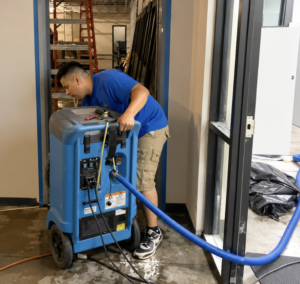
We clean and disinfect surfaces that remain in place, then use moisture meters to check walls, floors, framing, and other materials. Air movers and dehumidifiers support structural drying. We monitor the readings and adjust equipment placement as the property dries.
After cleaning and drying, we review repair needs with you. Repairs often involve drywall, flooring, trim, insulation, or other finishes. Our records show the affected areas and the work completed, giving you useful information for property files and insurance discussions.
Commercial Sewage Cleanup in Midlothian
Commercial sewage losses often involve occupied areas, shared plumbing, stored contents, and equipment that is difficult to reach. Our team plans access routes, work zones, equipment placement, and documentation around the building's daily operations. Offices, retail spaces, warehouses, and industrial properties may need affected areas isolated while unaffected areas remain in use.
Landlords and property managers also need clear communication about tenant access and shared utility spaces. We identify the source, map the spread, and explain which areas require extraction, cleaning, drying, removal, or later repair. That helps owners make decisions without sending occupants into contaminated spaces.
Sewage Backup Risks in Midlothian Properties
Midlothian includes newer subdivisions with slab foundations and open-plan interiors, along with older commercial buildings near Downtown Midlothian and Main Street. Those properties dry differently. Newer homes often need checks around bathrooms, kitchens, garages, and connected wall cavities. Older buildings may need closer inspection of wood framing, masonry, older plumbing, and finished interiors.
Expansive soil movement can stress plumbing connections and drainage systems at some properties. Our technicians investigate the actual source and inspect connected areas rather than assuming the visible water shows the full loss. We also serve nearby communities including fire damage cleanup needs in Waxahachie, Flooded Basement cleanup in Cedar Hill, and mold removal needs in Red Oak, when those conditions affect a property owner.
Water Damage Cleanup Pricing
Sewage cleanup pricing depends on the source, affected areas, materials, contamination, and drying needs. We assess the property first and explain the recommended work before cleanup proceeds.
- Small water loss: $1,000–$3,000
- Moderate water loss: $3,500–$7,500
- Large water loss: $7,500–$15,000+
These prices are general reference points and are not a quote or estimate for a specific property. Actual restoration costs depend on the source and category of water, affected square footage, materials involved, length of exposure, equipment needs, demolition, cleaning, drying time, and repairs. A complete price estimate requires an onsite inspection because the final scope depends on the actual conditions at the property.
Frequently Asked Questions
What should I do after a sewage backup?
Keep people and pets away from the affected area and do not touch standing sewage. If it is safe, stop the source without entering contaminated water, then arrange a safety assessment and cleanup.
Can carpet and drywall be cleaned after sewage contamination?
Some materials can be cleaned, but porous materials that cannot be safely disinfected are removed. We inspect carpet, pad, drywall, insulation, flooring, and other materials before deciding what stays.
How do you find where sewage spread?
We inspect visible damage and use moisture meters to check connected walls, floors, framing, and other hidden areas. Photos and moisture readings help document the affected space.
Do you clean sewage in rental properties?
Yes. We help landlords and property managers coordinate access, tenant communication, shared plumbing concerns, extraction, cleaning, drying, and repair planning.
Do commercial buildings need a different sewage cleanup plan?
Commercial buildings often need planned access, work zones, equipment placement, and documentation around occupied areas and daily operations. We organize the cleanup around those property conditions.
What equipment is used for sewage cleanup?
Our technicians use extraction equipment, personal protective equipment, moisture meters, air movers, and dehumidifiers. Containment and air scrubbers are used when the site conditions call for them.
How do you dry a property after sewage removal?
We take moisture readings, place air movers and dehumidifiers based on the affected materials, and monitor the readings during the drying work. Equipment placement changes as the building dries.
Can heavy rain cause a sewage backup in Midlothian?
Yes. Heavy rain can increase pressure on drains, yards, sump systems, and lower-level entrances. We inspect the source to separate an interior plumbing failure from a drain backup or outside water entry.